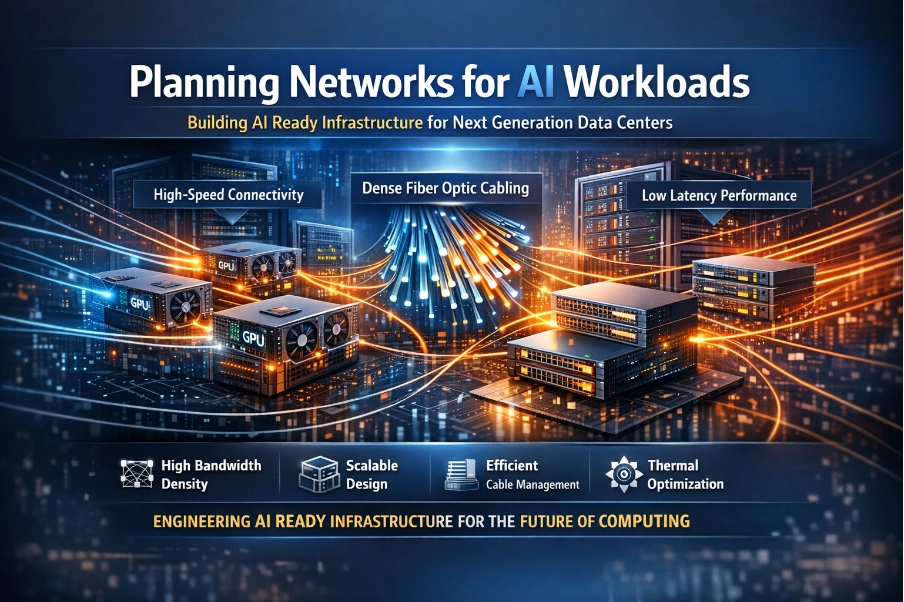
The year 2025 is redefining how enterprises plan, upgrade, and modernize their network infrastructure. As digital transformation accelerates across IT parks, corporate offices, data centers, manufacturing units, hospitals, and smart buildings, the need for high-speed, reliable, and scalable structured cabling solutions has never been greater. With cloud computing, AI-driven workloads, IoT expansion, and hybrid work models becoming standard, choosing the right cabling medium—fiber optic or copper—plays a crucial role in ensuring performance, uptime, and long-term network efficiency.
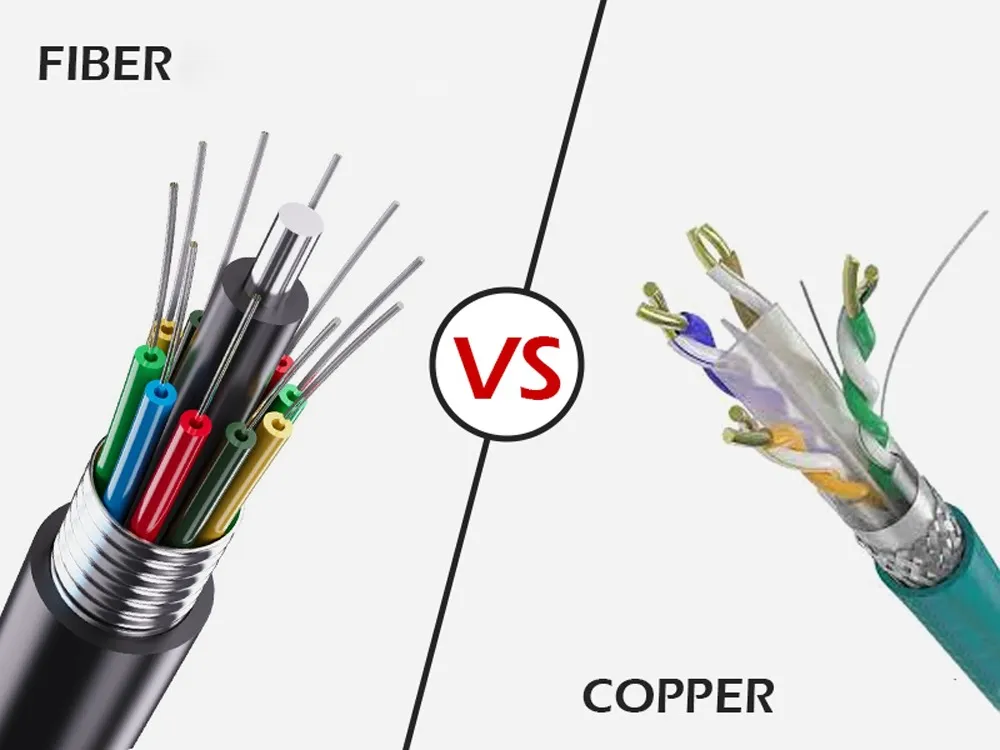
Fiber optic cabling has become the backbone of modern enterprise networking in 2025. Powered by light-based data transmission, fiber delivers ultra-high bandwidth, low latency, and exceptional speed, supporting everything from 10G to 400G applications. This makes fiber the preferred choice for enterprise backbones, campus networks, and high-density data center environments. Unlike copper, which is restricted to 100 meters per channel, fiber optic cables can run across long distances without signal loss, making them ideal for large facilities, multi-building campuses, and mission-critical networks that demand consistent, high-speed connectivity. As businesses adopt cloud-first strategies and real-time data processing, fiber offers the performance foundation required for next-generation digital infrastructure.
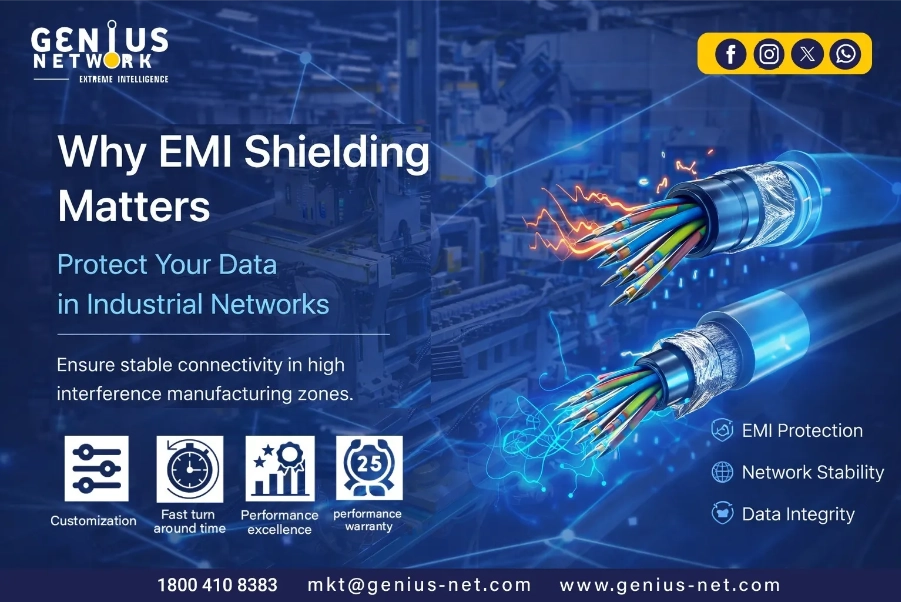
Another key advantage driving fiber adoption in 2025 is its complete immunity to electromagnetic and radio-frequency interference. In environments with heavy electrical equipment, industrial machinery, or dense wireless activity, copper cabling can experience attenuation and noise. Fiber eliminates these risks entirely, delivering stable and interference-free performance. This reliability is essential for industries such as banking, healthcare, aviation, government, and cybersecurity-driven enterprises where network downtime or data disruption can have significant operational consequences. Fiber also provides enhanced data security since physical tapping is extremely difficult, making it a preferred choice for organizations with stringent security policies.
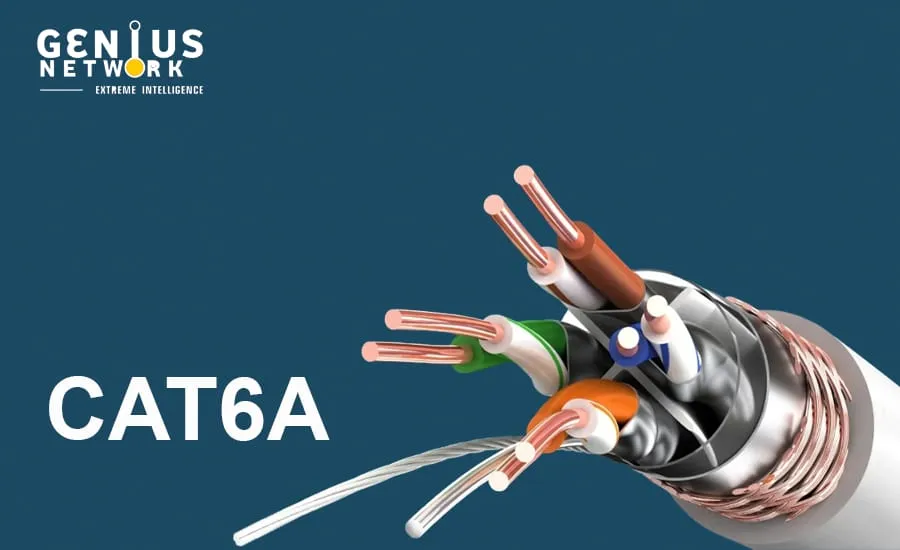
Despite fiber’s growing dominance, copper cabling remains a crucial component of enterprise LAN infrastructure. Copper solutions like Cat6 and Cat6A continue to power office-level connectivity because they are cost-effective, easy to deploy, and highly efficient within shorter distances. In 2025, Cat6A is becoming the preferred copper standard for smart offices as it supports 10 Gigabit Ethernet, reduces crosstalk, and ensures reliable performance for desktops, servers, Wi-Fi 6/6E access points, IP surveillance, access controls, and IoT devices. The biggest advantage copper holds over fiber is its support for Power over Ethernet (PoE), enabling power and data delivery through a single cable. With smart buildings relying heavily on PoE-based devices, copper remains essential for endpoint connectivity and rapid deployment scenarios.
Copper cabling also offers easier installation and maintenance compared to fiber. It requires less specialized training, making it ideal for fast rollouts, office upgrades, and projects where simplicity and quick installation are top priorities. While fiber provides unmatched scalability, copper continues to deliver the best value for short-range enterprise networks where PoE, cost efficiency, and easy management matter most.
In 2025, most businesses adopt a hybrid strategy—using fiber for high-speed backbone and inter-building connections, and copper for floor-level distribution and device endpoints. This blended model ensures maximum performance, optimal cost efficiency, and a future-ready foundation that supports evolving digital workloads.
Genius Network empowers enterprises, system integrators, and IT managers with advanced fiber optic and copper structured cabling solutions engineered for high performance, low attenuation, and long-term reliability. Whether you are building a new network or upgrading an existing one, Genius Network delivers future-ready connectivity designed for 2025 and beyond.